Your cart is currently empty!
Tag: moltbot npm
-
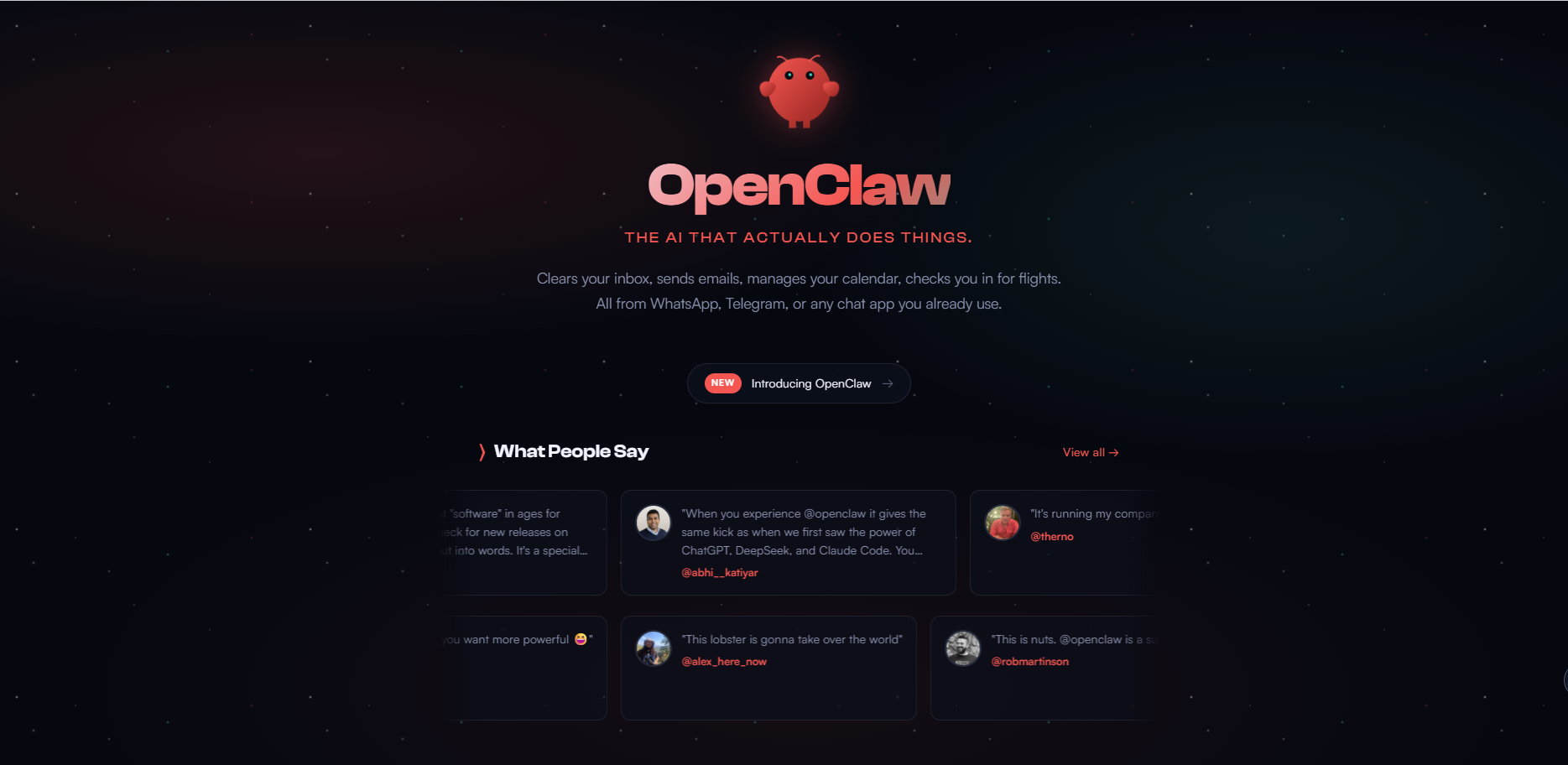
What is Moltbot? Complete Guide to Clawdbot AI Setup
In 2025, artificial intelligence has transformed the way we interact with technology. From customer service chatbots to personal productivity assistants, AI-powered automation has become essential for individuals and businesses alike. If you have been searching for a powerful Telegram bot that combines the intelligence of modern AI with seamless automation, you have likely encountered Clawdbot—also known as Moltbot. This comprehensive guide will answer the question what is Moltbot, explore its features, and walk you through everything you need to know about Moltbot AI and how to get started.
What is Moltbot? Understanding the Clawdbot Moltbot Connection
Before diving into the technical details, let’s address one of the most common questions in the community: what is Moltbot, and how does it relate to Clawdbot?
Simply put, Clawdbot Moltbot refers to the same powerful automation tool. The project started under the name Molt (short for “Moltbot”) and later gained the alternative name Clawdbot within certain communities. Whether you search for Moltbot vs Clawdbot or Clawbot Moltbot, you are looking at the same software with identical capabilities.
Moltbot AI is a sophisticated Telegram automation bot that leverages multiple artificial intelligence providers, including Claude (from Anthropic) and OpenAI‘s GPT models. This multi-provider approach gives users flexibility in choosing the AI engine that best suits their needs, whether for conversational chat, content generation, or complex task automation.
The confusion between Clawdbot and Moltbot often arises from community discussions on platforms like Moltbot Reddit threads, where users use the names interchangeably. Some even abbreviate it further to Clawd or simply Clawbot. Regardless of the name you use, the underlying technology remains consistent and powerful.
Key Features of Clawdbot AI: Why Users Choose This Telegram Bot
The popularity of Clawdbot AI stems from its versatile feature set. Unlike single-purpose bots, Moltbot AI combines multiple functionalities into one cohesive platform. Here is what makes it stand out:
1. Multi-AI Provider Support
One of the most significant advantages of Clawdbot AI is its support for multiple AI backends. Users can switch between Claude and OpenAI models depending on their specific requirements:
- Claude: Anthropic’s AI model is known for nuanced, thoughtful responses and strong ethical guidelines. It excels at complex reasoning and detailed explanations.
- OpenAI: The GPT family of models offers broad general knowledge and creative capabilities, making it ideal for content generation and brainstorming.
This flexibility means you are not locked into a single AI ecosystem. As new models emerge, Moltbot AI can integrate them, future-proofing your automation setup.
2. Telegram-Native Integration
Unlike web-based AI tools that require you to open a browser, Clawdbot operates directly within Telegram. This provides several benefits:
- Instant Access: Send a message to your bot and receive AI-powered responses immediately.
- Mobile-Friendly: Use the bot from your phone, tablet, or desktop without switching applications.
- Group Integration: Add the bot to Telegram groups for team collaboration and shared AI assistance.
3. Task Automation and Content Generation
Clawdbot AI goes beyond simple chat. Users leverage it for:
- Automated Responses: Set up triggers and workflows to automate repetitive messaging tasks.
- Content Creation: Generate articles, social media posts, code snippets, and more directly from Telegram.
- Data Processing: Summarize documents, translate text, and analyze information on the fly.
Moltbot Setup: A Complete Installation Guide
Ready to get started? The Moltbot setup process is straightforward, especially if you follow this step-by-step guide. Before you install Moltbot, ensure you have the necessary prerequisites in place.
Prerequisites for Installation
To successfully install Moltbot, you will need:
- A Telegram Account: Create a bot through Telegram’s BotFather to obtain your API token.
- AI API Keys: Register for API access with Claude (Anthropic) and/or OpenAI.
- Docker: The recommended installation method uses Docker for containerized deployment.
- A Server or Local Machine: You can run Moltbot on cloud servers, a home server, or even a Mac Mini.
Moltbot Docker Installation (Recommended)
The Moltbot Docker method is the most popular approach because it simplifies dependency management and ensures consistent behavior across different operating systems. Here is how to deploy using Docker:
Step 1: Install Docker
If you haven’t already, download and install Docker Desktop for your operating system. Verify the installation:
docker --version
docker-compose --version
Step 2: Create Project Directory
Create a dedicated directory for your Moltbot installation:
mkdir moltbot && cd moltbotStep 3: Create docker-compose.yml
Create a
docker-compose.ymlfile with the following configuration:version: '3.8' services: moltbot: image: moltbot/moltbot:latest container_name: moltbot restart: unless-stopped environment: - TELEGRAM_BOT_TOKEN=your_telegram_bot_token - ANTHROPIC_API_KEY=your_claude_api_key - OPENAI_API_KEY=your_openai_api_key - DEFAULT_AI_PROVIDER=claude - LOG_LEVEL=info volumes: - ./data:/app/data - ./config:/app/config ports: - "3000:3000"Step 4: Create Environment File
For better security, create a
.envfile to store your API keys:# .env file TELEGRAM_BOT_TOKEN=123456789:ABCdefGHIjklMNOpqrsTUVwxyz ANTHROPIC_API_KEY=sk-ant-api03-xxxxxxxxxxxxx OPENAI_API_KEY=sk-xxxxxxxxxxxxxxxxxxxxx DEFAULT_AI_PROVIDER=claude LOG_LEVEL=infoStep 5: Launch the Container
Start Moltbot Docker with a single command:
docker-compose up -dStep 6: Verify the Installation
Check that the container is running:
docker ps
docker logs moltbot
Send a test message to your bot on Telegram to confirm everything is working.
The beauty of the Docker approach is portability. Whether you are running Moltbot Windows, macOS, or Linux, the containerized environment behaves identically.
Moltbot npm Alternative
For developers who prefer Node.js environments, Moltbot npm provides an alternative installation path. This method is particularly useful if you want to customize the bot’s behavior or integrate it into an existing Node.js application.
Step 1: Verify Node.js Installation
Ensure Node.js (version 18 or higher) is installed:
node --version  # Should be v18.0.0 or higher
npm --version
Step 2: Create Project Directory
mkdir moltbot-app && cd moltbot-app
npm init -y
Step 3: Install Moltbot Package
Install Moltbot npm and its dependencies:
npm install moltbot
npm install dotenv
Step 4: Create Configuration File
Create a
.envfile in your project root:# .env TELEGRAM_BOT_TOKEN=your_telegram_bot_token ANTHROPIC_API_KEY=your_claude_api_key OPENAI_API_KEY=your_openai_api_key DEFAULT_PROVIDER=claudeStep 5: Create Entry Point
Create an
index.jsfile:require('dotenv').config(); const { MoltBot } = require('moltbot'); const bot = new MoltBot({ telegramToken: process.env.TELEGRAM_BOT_TOKEN, anthropicKey: process.env.ANTHROPIC_API_KEY, openaiKey: process.env.OPENAI_API_KEY, defaultProvider: process.env.DEFAULT_PROVIDER || 'claude', }); bot.start(); console.log('Moltbot is running...');Step 6: Run the Application
node index.jsOptional: Add to package.json Scripts
{
  "scripts": {
    "start": "node index.js",
    "dev": "nodemon index.js"
  }
}
Moltbot Windows Setup
Running Moltbot Windows is straightforward with Docker Desktop for Windows. Here’s a complete setup guide:
Step 1: Enable WSL2
Open PowerShell as Administrator and run:
wsl --install
wsl --set-default-version 2
Restart your computer after installation.
Step 2: Install Docker Desktop
Download Docker Desktop for Windows and ensure WSL2 backend is enabled in Settings > General.
Step 3: Create Project Folder
Open PowerShell and create your project directory:
mkdir C:\moltbot
cd C:\moltbot
Step 4: Create Configuration Files
Create
docker-compose.ymlusing PowerShell:New-Item -ItemType File -Name "docker-compose.yml" notepad docker-compose.ymlStep 5: Configure Windows Firewall
Allow Docker through Windows Firewall:
New-NetFirewallRule -DisplayName "Docker" -Direction Inbound -Action Allow -Protocol TCP -LocalPort 3000Step 6: Launch Moltbot
docker-compose up -d
docker logs -f moltbot
Optional: Auto-Start on Boot
Create a scheduled task to start Moltbot Windows automatically:
schtasks /create /tn "MoltbotStartup" /tr "docker-compose -f C:\moltbot\docker-compose.yml up -d" /sc onstart /ru SYSTEMMoltbot Mac Mini: The Perfect Home Server
The Mac Mini has become a popular choice for running always-on services like Moltbot. Its compact size, low power consumption, and reliable macOS environment make it ideal for home automation enthusiasts.
Step 1: Install Homebrew and Docker
Open Terminal and install the prerequisites:
# Install Homebrew
/bin/bash -c "$(curl -fsSL https://raw.githubusercontent.com/Homebrew/install/HEAD/install.sh)"

# Install Docker Desktop
brew install --cask docker
Step 2: Disable Sleep Mode
Prevent your Mac Mini from sleeping to keep Moltbot running 24/7:
# Disable sleep entirely
sudo pmset -a disablesleep 1

# Or use caffeinate for the Docker process
caffeinate -i docker-compose up -d
Step 3: Create Project Directory
mkdir ~/moltbot && cd ~/moltbotStep 4: Create docker-compose.yml
cat << 'EOF' > docker-compose.yml
version: '3.8'
services:
  moltbot:
    image: moltbot/moltbot:latest
    container_name: moltbot
    restart: always
    env_file:
      - .env
    volumes:
      - ./data:/app/data
EOF
Step 5: Configure Environment Variables
cat << 'EOF' > .env
TELEGRAM_BOT_TOKEN=your_token_here
ANTHROPIC_API_KEY=your_claude_key
OPENAI_API_KEY=your_openai_key
DEFAULT_AI_PROVIDER=claude
EOF
Step 6: Launch and Enable Auto-Start
# Start Moltbot
docker-compose up -d

# Create LaunchAgent for auto-start on boot
cat << EOF > ~/Library/LaunchAgents/com.moltbot.startup.plist
<?xml version="1.0" encoding="UTF-8"?>
<!DOCTYPE plist PUBLIC "-//Apple//DTD PLIST 1.0//EN" "http://www.apple.com/DTDs/PropertyList-1.0.dtd">
<plist version="1.0">
<dict>
    <key>Label</key>
    <string>com.moltbot.startup</string>
    <key>ProgramArguments</key>
    <array>
        <string>/usr/local/bin/docker-compose</string>
        <string>-f</string>
        <string>$HOME/moltbot/docker-compose.yml</string>
        <string>up</string>
        <string>-d</string>
    </array>
    <key>RunAtLoad</key>
    <true/>
</dict>
</plist>
EOF

launchctl load ~/Library/LaunchAgents/com.moltbot.startup.plist
The Moltbot Mac Mini combination is particularly popular in the Moltbot Reddit community, where users share optimization tips and configuration examples.
Getting Started with GitHub: Clawdbot and Moltbot Repositories
The official source code and documentation for the project are hosted on GitHub. Whether you search for GitHub Moltbot or GitHub Clawdbot, you will find comprehensive resources to help you get started.
Finding the GitHub Repository
The GitHub Moltbot repository contains:
- Source Code: The complete codebase for developers who want to customize or contribute.
- Documentation: Detailed guides covering installation, configuration, and advanced usage.
- Issues and Discussions: A community forum for reporting bugs and requesting features.
- Release Notes: Changelog documenting new features and fixes in each version.
When browsing GitHub Clawdbot resources, pay attention to the README file, which provides quick-start instructions and links to more detailed documentation.
Cloning and Configuration
To set up from GitHub, follow these developer steps:
Step 1: Clone the Repository
git clone https://github.com/moltbot/moltbot.git
cd moltbot
Step 2: Install Dependencies
npm installStep 3: Configure Environment
# Copy the example configuration
cp .env.example .env

# Edit with your preferred editor
nano .env  # or code .env for VS Code
Step 4: Configure Your API Keys
Update the
.envfile with your credentials:# Telegram Configuration TELEGRAM_BOT_TOKEN=123456789:ABCdefGHIjklMNOpqrsTUVwxyz # AI Provider Keys ANTHROPIC_API_KEY=sk-ant-api03-xxxxxxxxxxxxx OPENAI_API_KEY=sk-xxxxxxxxxxxxxxxxxxxxx # Default Settings DEFAULT_AI_PROVIDER=claude AI_MODEL=claude-3-opus-20240229 MAX_TOKENS=4096 TEMPERATURE=0.7Step 5: Build and Run
# Development mode with hot reload
npm run dev

# Production build
npm run build
npm start
Step 6: Run Tests (Optional)
npm run test
npm run lint
The GitHub repository is regularly updated with improvements. Watch the repository for notifications:
# Stay updated with the latest changes
git pull origin main
npm install
npm run build
Platform Compatibility: Running Moltbot Anywhere
One of the strengths of Clawdbot Moltbot is its cross-platform compatibility. Thanks to Docker containerization, the bot runs consistently across different operating systems.
Moltbot Windows Considerations
As mentioned earlier, Moltbot Windows users should:
- Use Docker Desktop with WSL2 backend for best performance.
- Configure Windows to allow the bot to run in the background.
- Consider using Windows Task Scheduler for automatic startup.
Moltbot Mac Mini Optimization
The Mac Mini offers excellent value for running Moltbot 24/7. Key optimization tips include:
- Disable automatic sleep in System Preferences.
- Use Docker’s resource limits to prevent excessive memory usage.
- Set up monitoring to alert you if the bot goes offline.
Linux Server Deployment
For production deployments, Linux servers offer the most robust environment. Here’s a complete Moltbot Docker setup for Ubuntu/Debian:
Step 1: Install Docker on Linux
# Update package index
sudo apt update

# Install Docker
sudo apt install -y docker.io docker-compose

# Add your user to docker group
sudo usermod -aG docker $USER

# Start Docker service
sudo systemctl enable docker
sudo systemctl start docker
Step 2: Create Moltbot Directory
sudo mkdir -p /opt/moltbot
sudo chown $USER:$USER /opt/moltbot
cd /opt/moltbot
Step 3: Create Systemd Service
Create a systemd service for automatic restarts and boot startup:
sudo cat << 'EOF' > /etc/systemd/system/moltbot.service
[Unit]
Description=Moltbot Telegram AI Bot
Requires=docker.service
After=docker.service

[Service]
Type=oneshot
RemainAfterExit=yes
WorkingDirectory=/opt/moltbot
ExecStart=/usr/bin/docker-compose up -d
ExecStop=/usr/bin/docker-compose down
TimeoutStartSec=0

[Install]
WantedBy=multi-user.target
EOF

# Enable and start the service
sudo systemctl daemon-reload
sudo systemctl enable moltbot
sudo systemctl start moltbot
Step 4: Monitor Logs
# View real-time logs
docker logs -f moltbot

# Check service status
sudo systemctl status moltbot
Community and Support: Moltbot Reddit and Beyond
No software thrives without a supportive community. The Moltbot Reddit community on Reddit is one of the most active spaces for discussion, troubleshooting, and sharing creative use cases.
What You’ll Find on Moltbot Reddit
Browsing Moltbot Reddit threads reveals:
- Setup Guides: User-contributed tutorials for specific platforms and configurations.
- Use Case Examples: Creative ways people use Clawdbot AI in their daily lives.
- Troubleshooting Help: Community members helping each other solve technical issues.
- Feature Requests: Discussions about desired functionality and roadmap priorities.
Other Community Resources
Beyond Reddit, you can find support through:
- GitHub Issues: For bug reports and technical problems on GitHub.
- Discord Servers: Real-time chat with other Moltbot users on Discord.
- Telegram Groups: Fitting for a Telegram bot, there are dedicated groups for user discussion.
Moltbot vs Clawdbot: Clearing Up the Confusion
By now, you understand that the Moltbot vs Clawdbot question has a simple answer: they are the same tool. However, let’s address why this confusion persists and clarify the various names you might encounter.
The Name Evolution
The project originated as Molt, a reference to the process of shedding and renewal. As the community grew, the name Moltbot became standard for referring to the bot specifically. The alternative name Clawdbot emerged as a playful nod to one of its supported AI providers, Claude.
Common Name Variations
Name Context Notes Moltbot Official name Most common in documentation Clawdbot Community name Popular in Reddit discussions Clawbot Abbreviated Casual shorthand Clawd Abbreviated Very informal reference Molt Original project name Still used in some contexts When searching online, using any of these terms—Clawdbot, Moltbot, Clawbot, Clawd, or Molt—should lead you to relevant results.
Advanced Configuration: Getting the Most from Clawdbot AI
Once you have completed the basic Moltbot setup, you can explore advanced configurations to enhance your experience.
Customizing AI Behavior
Clawdbot AI allows you to customize how the AI responds:
- System Prompts: Define the AI’s personality and response style.
- Model Selection: Choose between Claude and OpenAI models for different tasks.
- Temperature Settings: Adjust creativity levels for responses.
- Context Management: Configure how much conversation history the AI considers.
Automation Workflows
Power users leverage Moltbot AI for complex automation:
- Scheduled Tasks: Set up recurring AI-powered messages or reports.
- Trigger-Based Actions: Respond automatically to specific keywords or patterns.
- Integration with Other Services: Connect to webhooks and external APIs.
Conclusion: Start Your Clawdbot Moltbot Journey Today
We have covered substantial ground in this guide, from understanding what is Moltbot to walking through the complete Moltbot setup process. Whether you call it Clawdbot, Moltbot, Clawbot, or simply Clawd, this powerful Telegram automation tool offers unmatched flexibility with its support for both Claude and OpenAI.
The Moltbot Docker installation method makes deployment straightforward across Moltbot Windows, Moltbot Mac Mini, and Linux environments. For developers, the Moltbot npm option provides additional customization possibilities, while the GitHub Moltbot and GitHub Clawdbot repositories offer comprehensive documentation and community support.
As you begin your journey with Clawdbot Moltbot, remember that the Moltbot Reddit community and GitHub issues are excellent resources for troubleshooting and inspiration. The future of AI automation is here, and with Clawdbot AI running on your Telegram, you are well-equipped to harness its power.
Ready to install Moltbot? Head to GitHub, clone the repository, and follow the Moltbot setup guide. In just a few minutes, you will have a fully functional AI assistant at your fingertips, available anytime through Telegram.